- Role
- Research and Service Design Lead
- Timeline
- Sep to Dec 2025
The Problem
Every late August, Boston has what locals call Allston Christmas. As leases turn over, students leave what they cannot carry at the curb, and the sidewalks of Allston, between BU, BC, and Harvard, fill with discarded furniture. The easy reading is a waste problem.
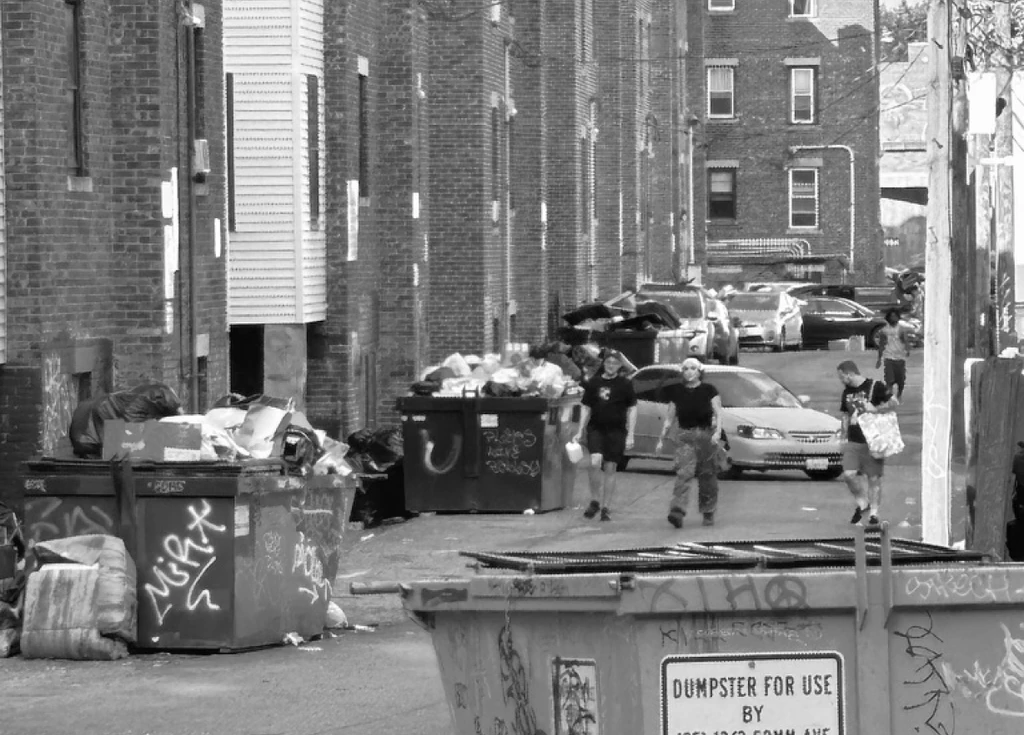
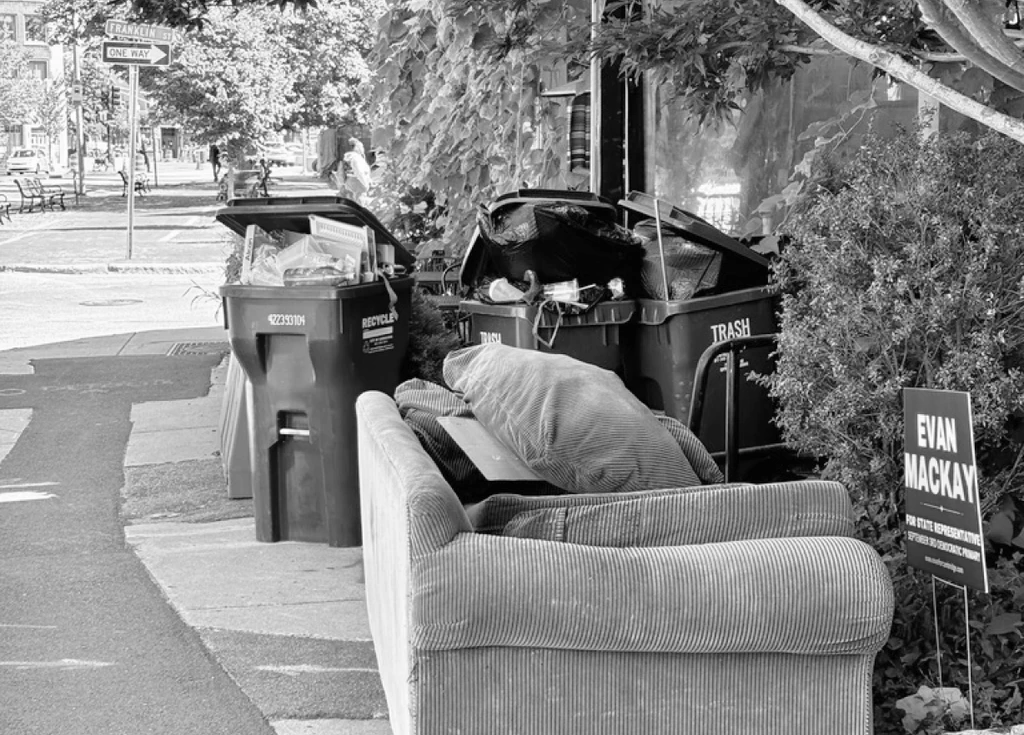
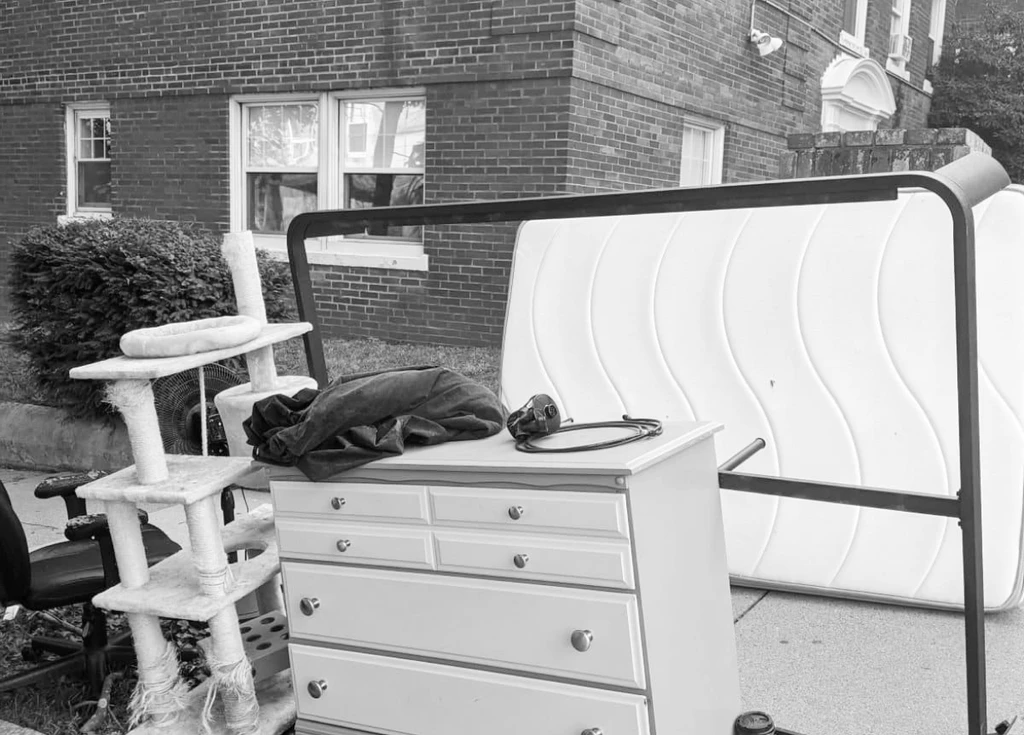
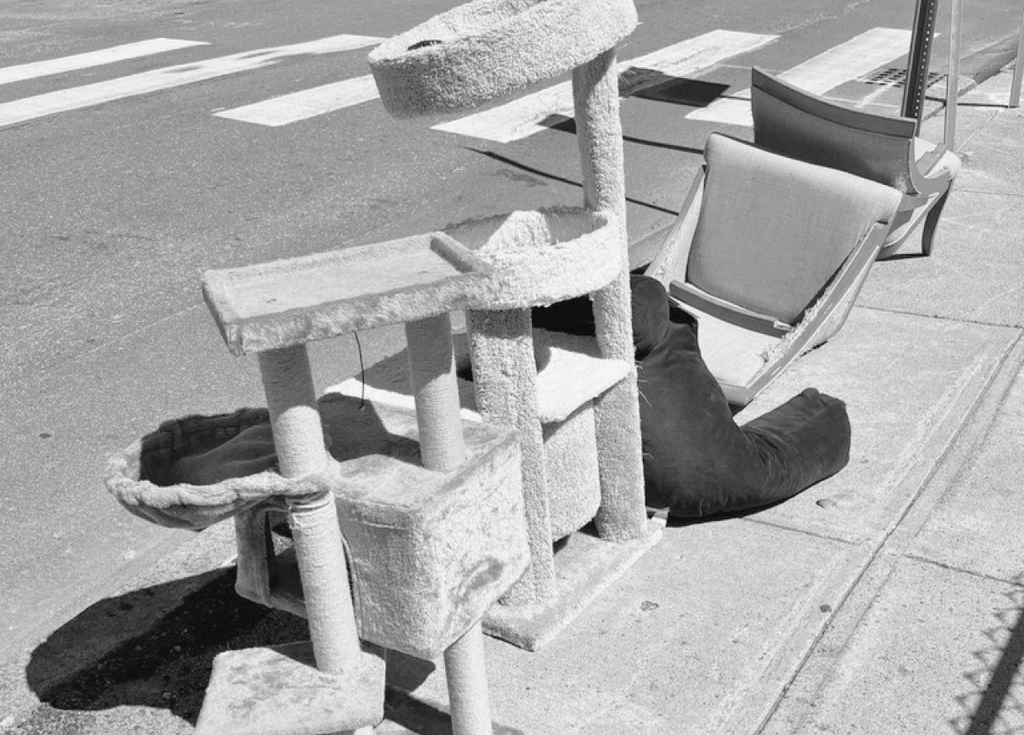
But the waste is a symptom. A 2019 City of Boston report puts 39% of residents between 18 and 34, which is 18 points above the national average, so the city runs on people who move constantly. The people are not the problem. Ownership does not fit a transient life. Buying furniture asks people to commit to a place and a future they do not have yet, so they buy cheap, use it briefly, and leave it on the curb.
- A new lease
A place and a future that are not settled yet.
- Cheap furniture
Bought because the commitment cannot be justified.
- Brief use
Until the next move.
- The curb
Whatever cannot be carried is left behind.
Research
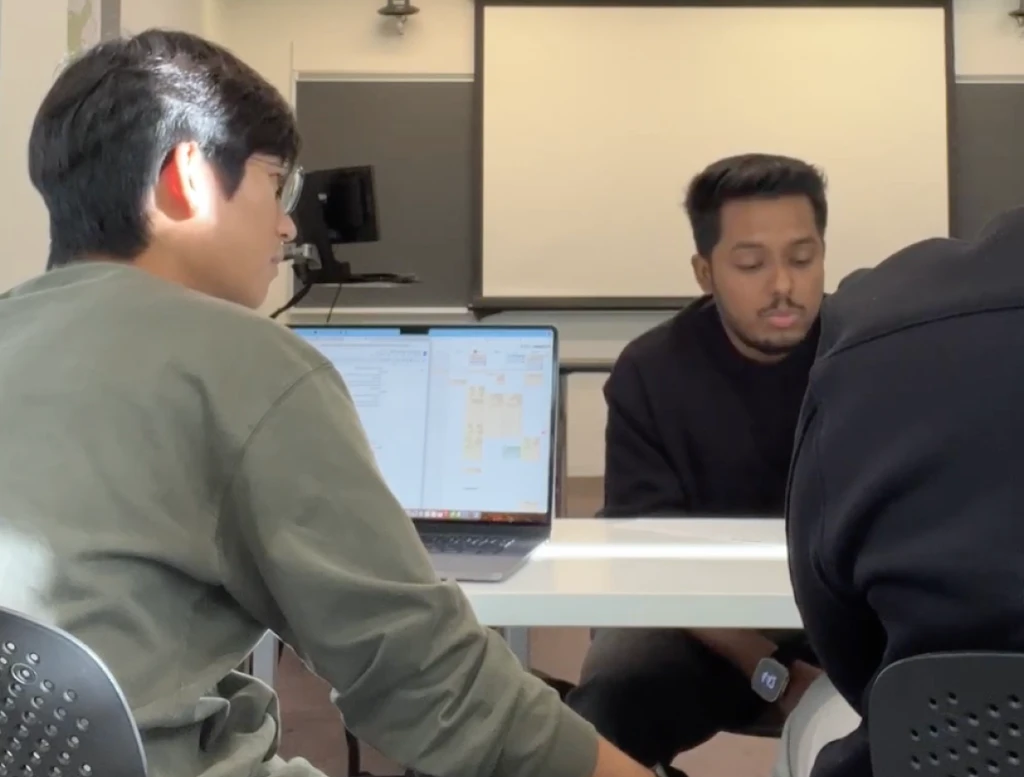
I led five in-depth interviews with students across the city, three new arrivals and two who had moved several times within Boston. My two teammates recruited the participants and recorded the interviews and their notes. Two exercises did most of the work. In a Think-Out-Loud floor-plan exercise, participants sketched and narrated their spaces, and A Day in the Life traced how they actually used their furniture.
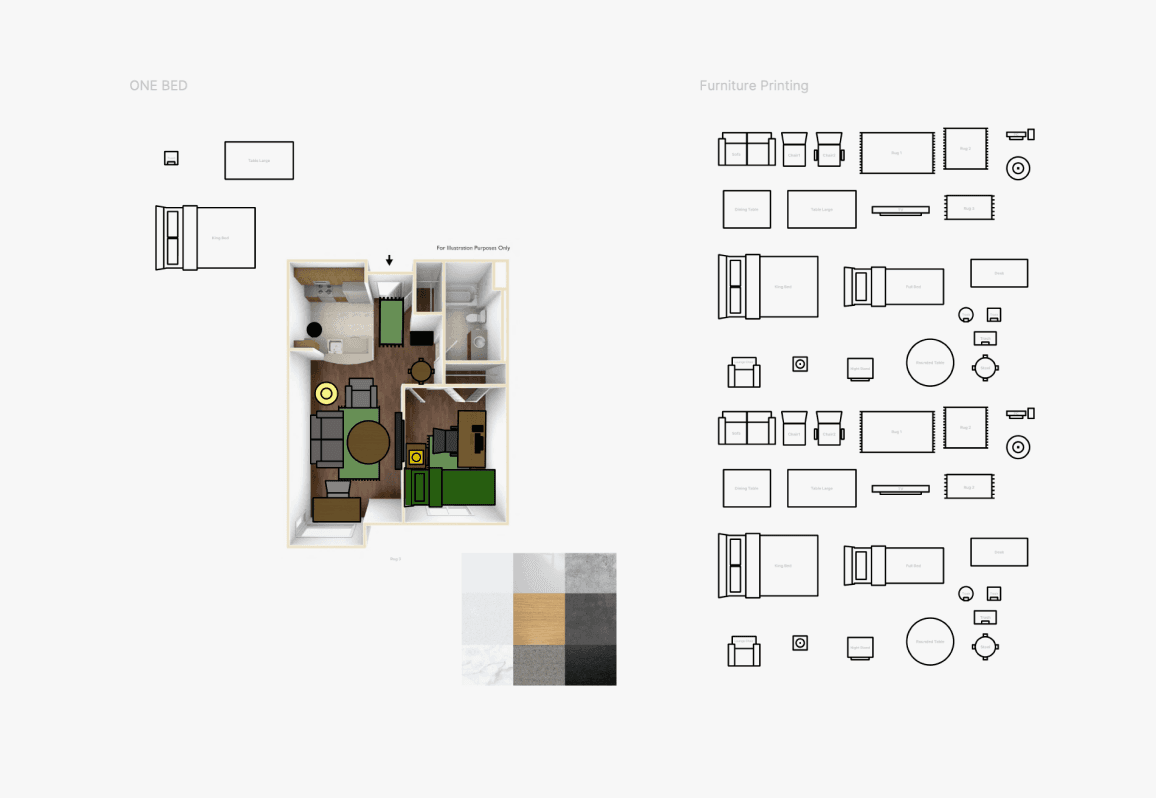
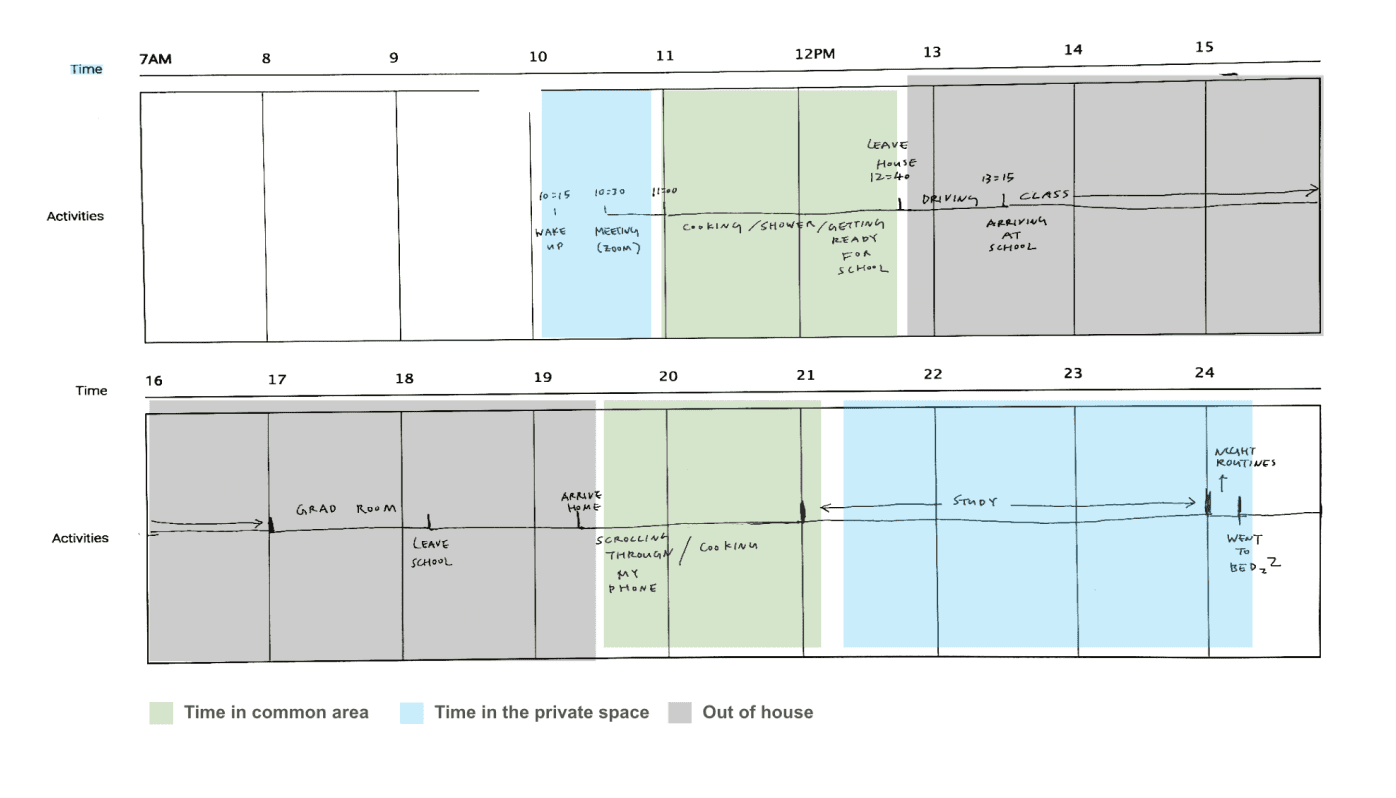
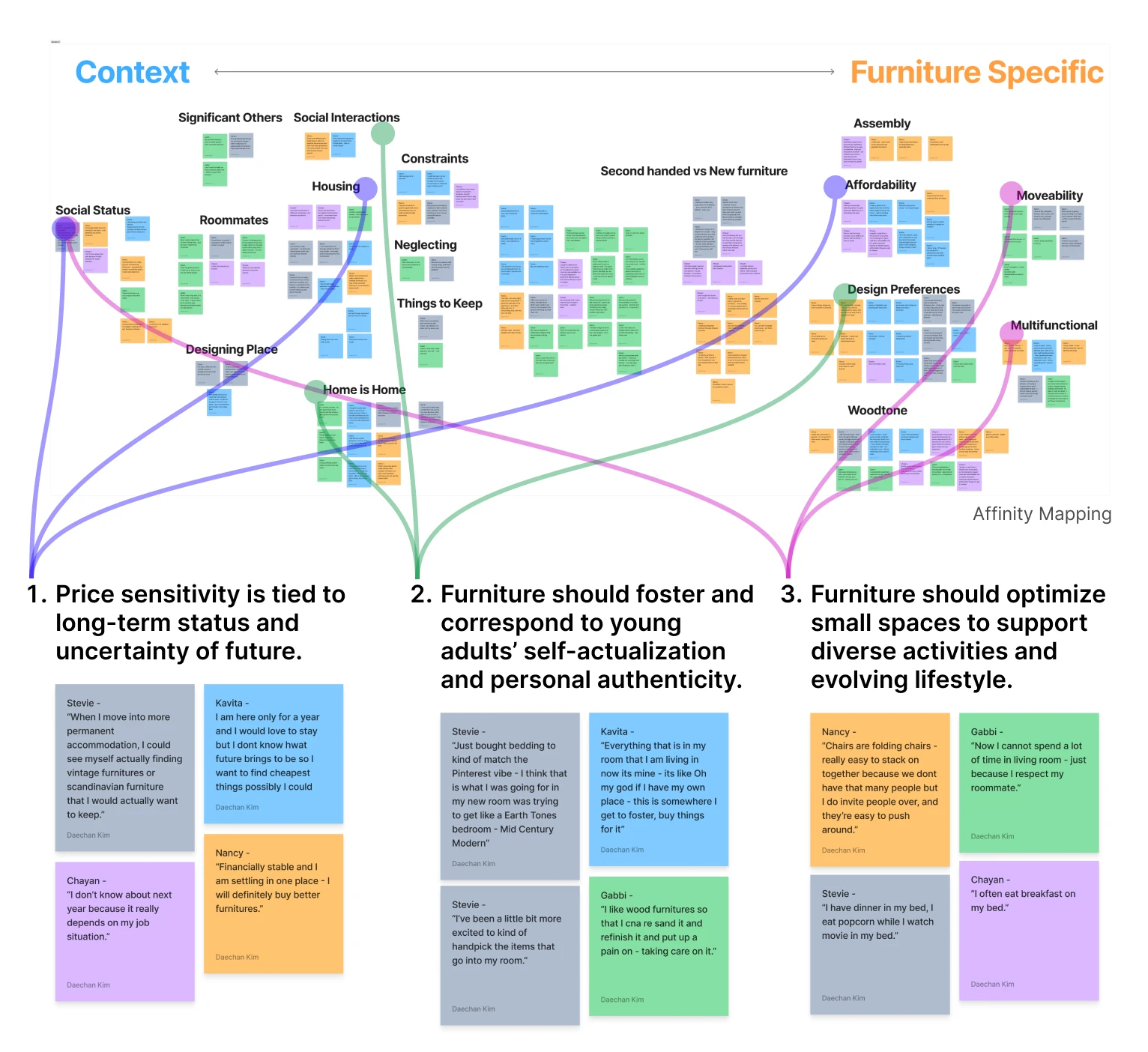
The conversations kept coming back to instability.
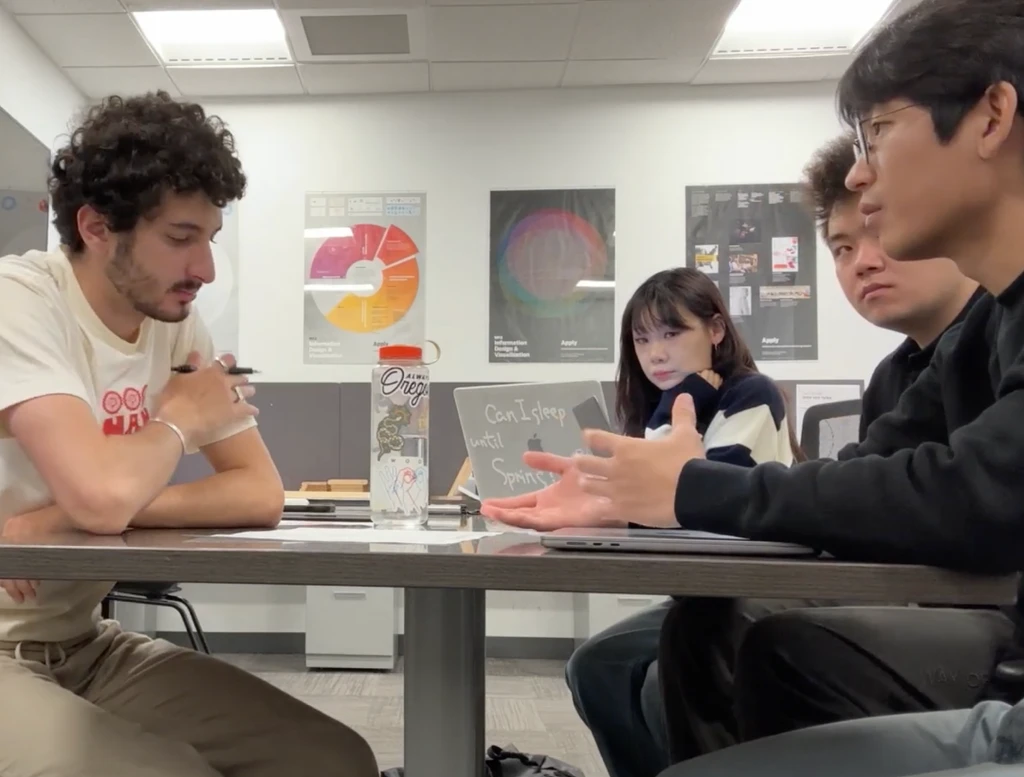
“Financially stable and I am settling in one place, I will definitely buy better furnitures.”Nancy
“I don't know about next year because it really depends on my job situation.”Chayan
People were avoiding a commitment they could not justify, and good furniture asked for one. A Day in the Life showed the same thing in their rooms. Residents ate meals in bed because a dining table was not worth the space or the money. That turned the project toward designing for impermanence instead of against it.
Design
From the research I developed three directions, then pressure-tested each against feasibility and the waste it had to solve.
- A subscription model, renting furniture on flexible terms and returning it or buying it out at the end, which removes the upfront cost and the commitment.
- A personalized rental service that connects renters, apartments, and providers, so residents pick pieces that fit them and landlords keep tenants longer.
- A convertible bed and dining table, a product answer to the finding about eating in bed that reclaims floor space in small apartments.
I carried the subscription model forward. It gave the provider real operational control, opened a market conventional furniture businesses had left untouched, and turned seasonal waste into inventory to repurpose rather than a cost to absorb.
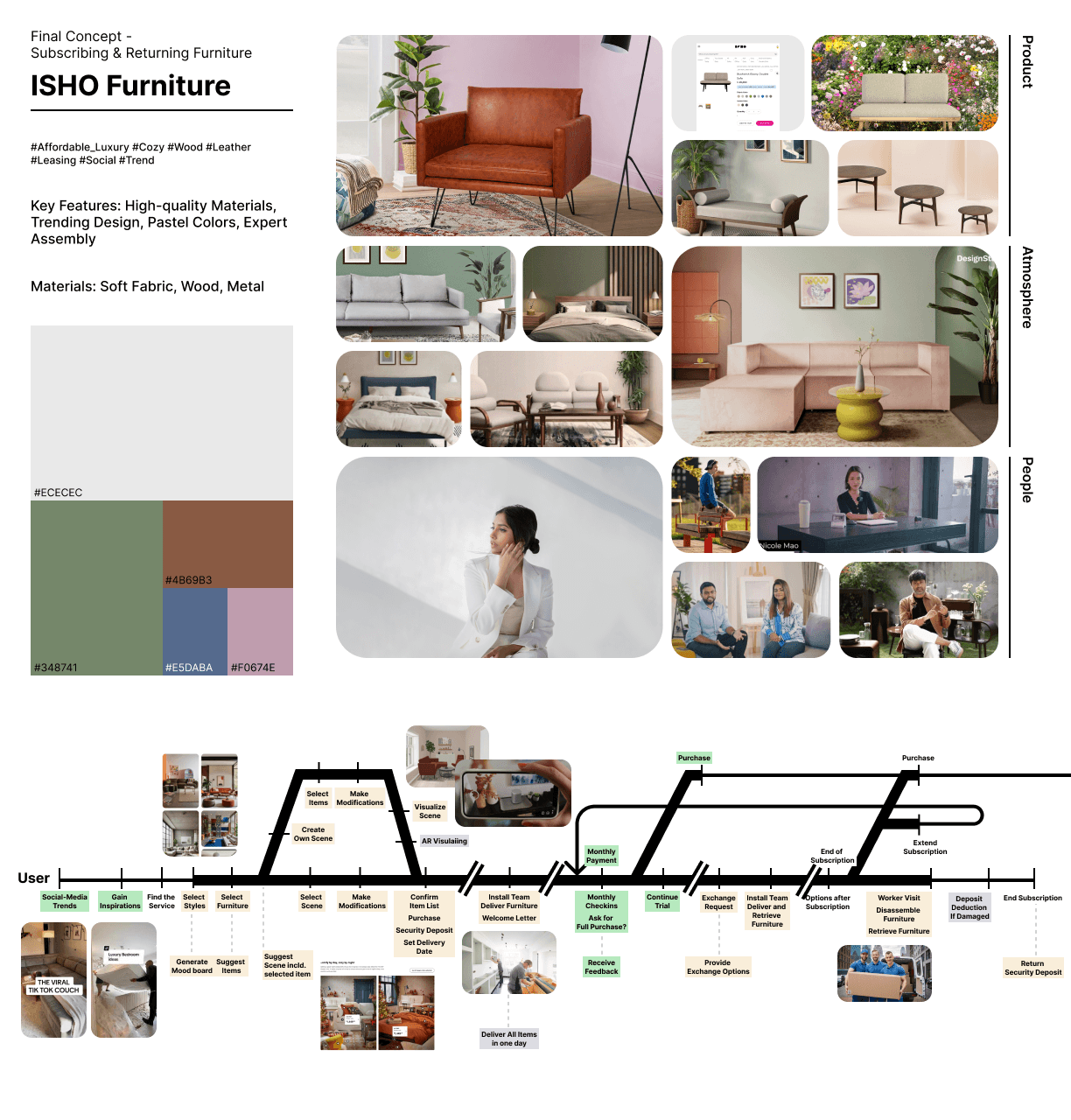
To explore positioning before committing, I built three fictional furniture brands, each aimed at a different segment from secondary research on the Boston market. Those explorations mapped the touchpoints and service moments that shaped the final concept, which I then developed with the sponsor, ISHO Furniture (Bangladesh). The palette and moodboard came from their existing lines, so the service would read as part of their brand.
The Service
The final concept is a subscription that trades ownership for access. Customers get quality furniture without the commitment, and the provider gets a way to keep its furniture in circulation.
I mapped the full customer journey in a service blueprint, including the interactions and the logistics behind them, so the concept would work as an operation as well as an interface.
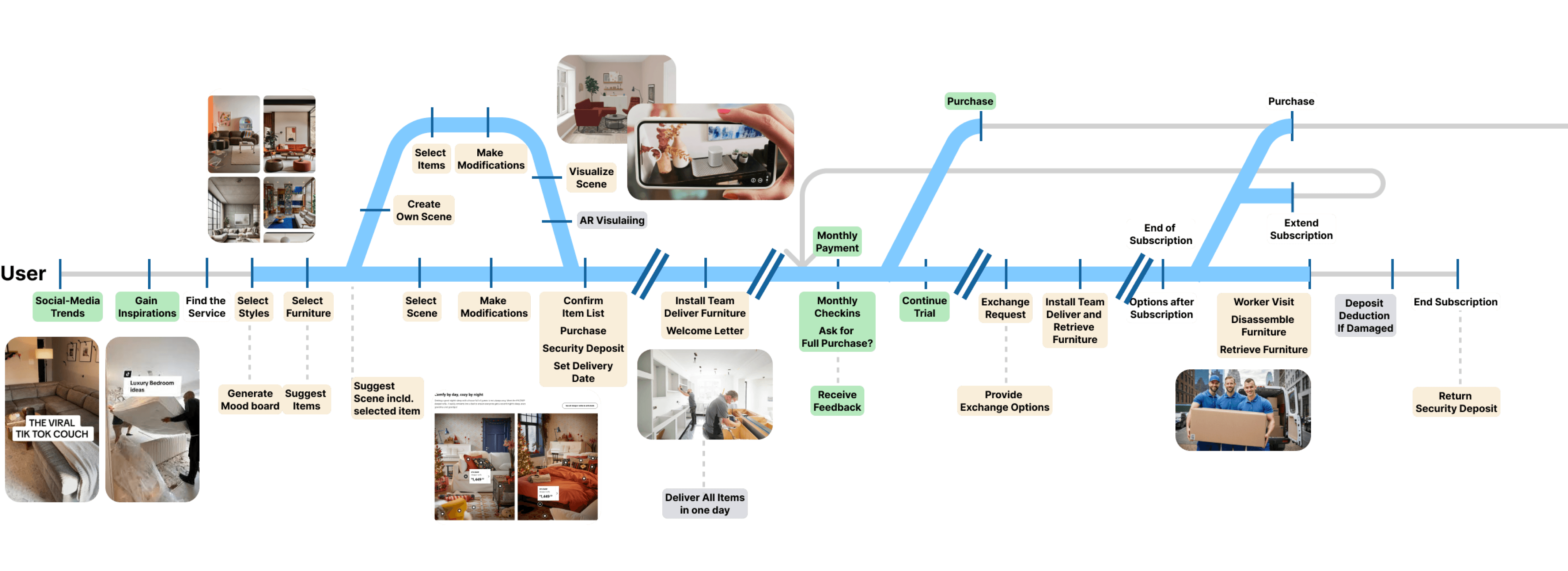
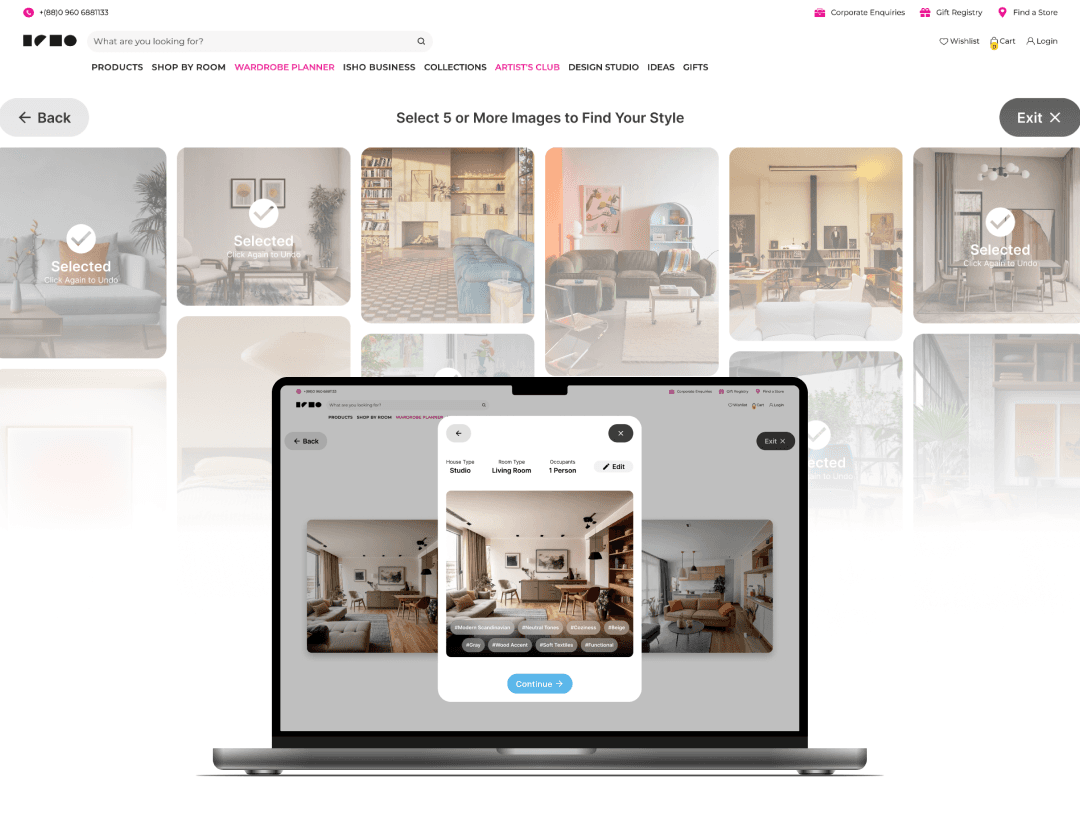
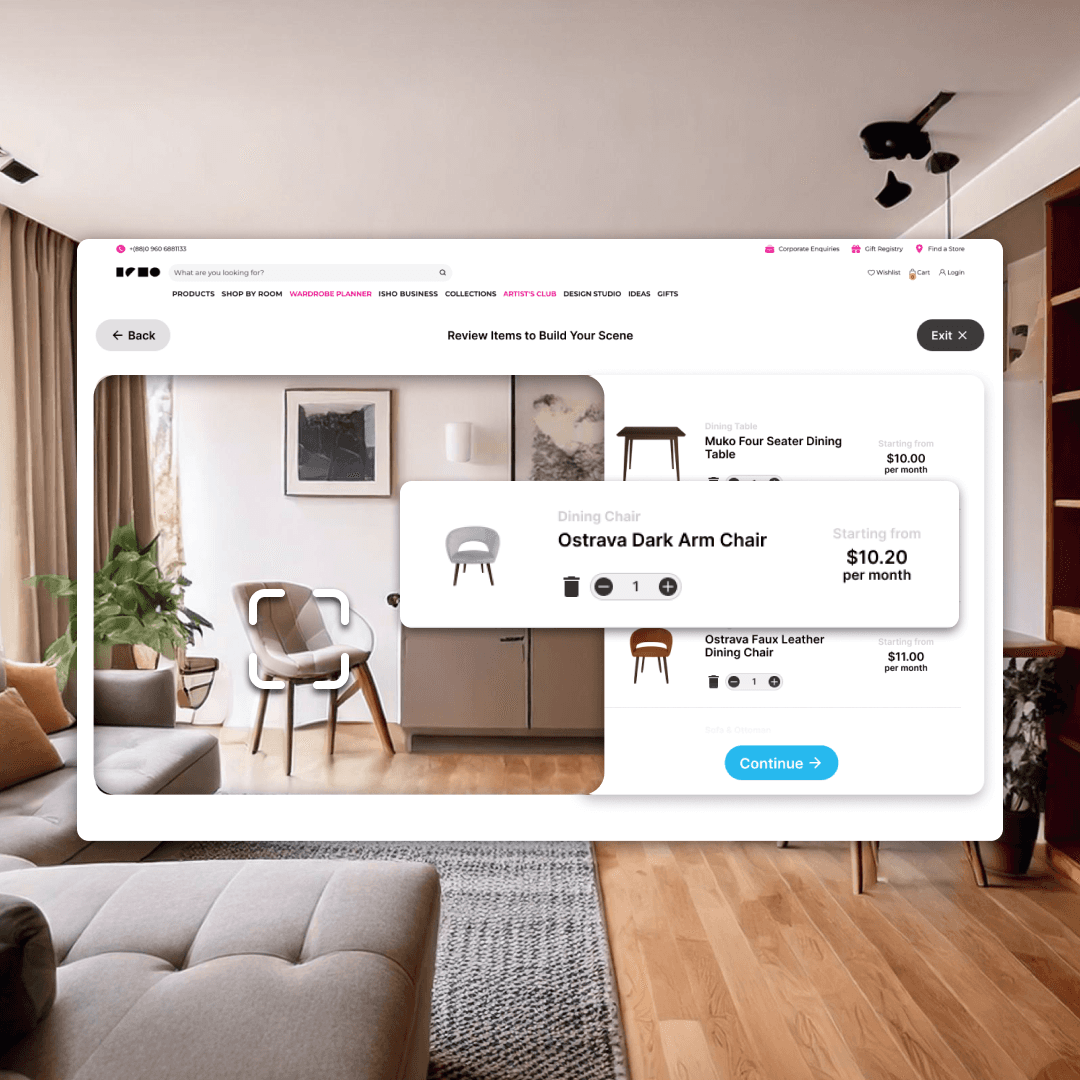
First-time movers told us budget was only part of the difficulty. They also did not know what they wanted or how to make the pieces in a room work together. So the service starts from rooms they like. A customer picks inspiration images, the system learns their aesthetic and generates scenes in that mood, and then it matches real pieces from ISHO's inventory to those scenes. The taste comes first and the products second, the reverse of the usual shopping flow.
The AI part of this is what the system shows of its own reading. Each generated scene carries the style it inferred as tags, such as Modern Scandinavian, Neutral Tones, and Wood Accent. The room it assumed, a studio living room for one person, sits behind an Edit button, so a customer can see what was inferred and correct it.
- Browse products
One item at a time, by category.
- Guess what fits
The space and the other pieces.
- Buy, and hope it coheres
- Pick inspiration images
Rooms the customer likes.
- The taste is learned
Mood-based scenes are generated.
- Pieces are matched
Similar items from ISHO's inventory.
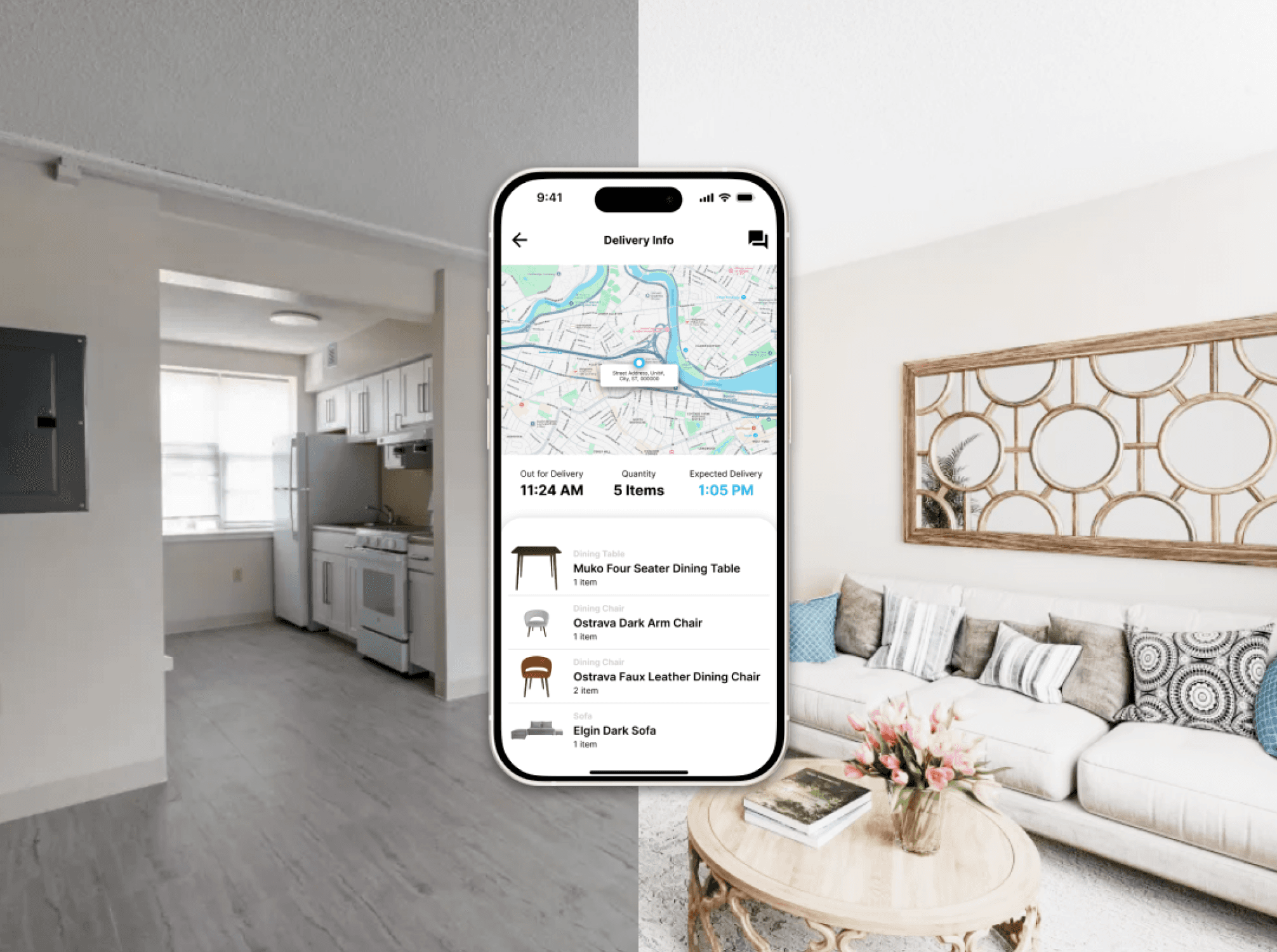
Setup and activation happen on desktop. After that, the mobile app holds the ongoing relationship, with monthly feedback to keep the fit right, the option to buy pieces outright, and subscription and maintenance management. When a plan is about to expire, the app offers to sell the customer the pieces they have grown attached to.
- Set up on desktop
Taste, plan, and activation.
- One tracked delivery
An empty apartment furnished at once.
- Live with it on mobile
Monthly feedback, maintenance, and plan management.
- The plan expires
Return the pieces, renew, or buy the ones that stuck.
Learnings
The brief looked like a waste problem, and the real lever turned out to be ownership. Once I stopped designing against transience and started designing for it, the rest of the service followed.
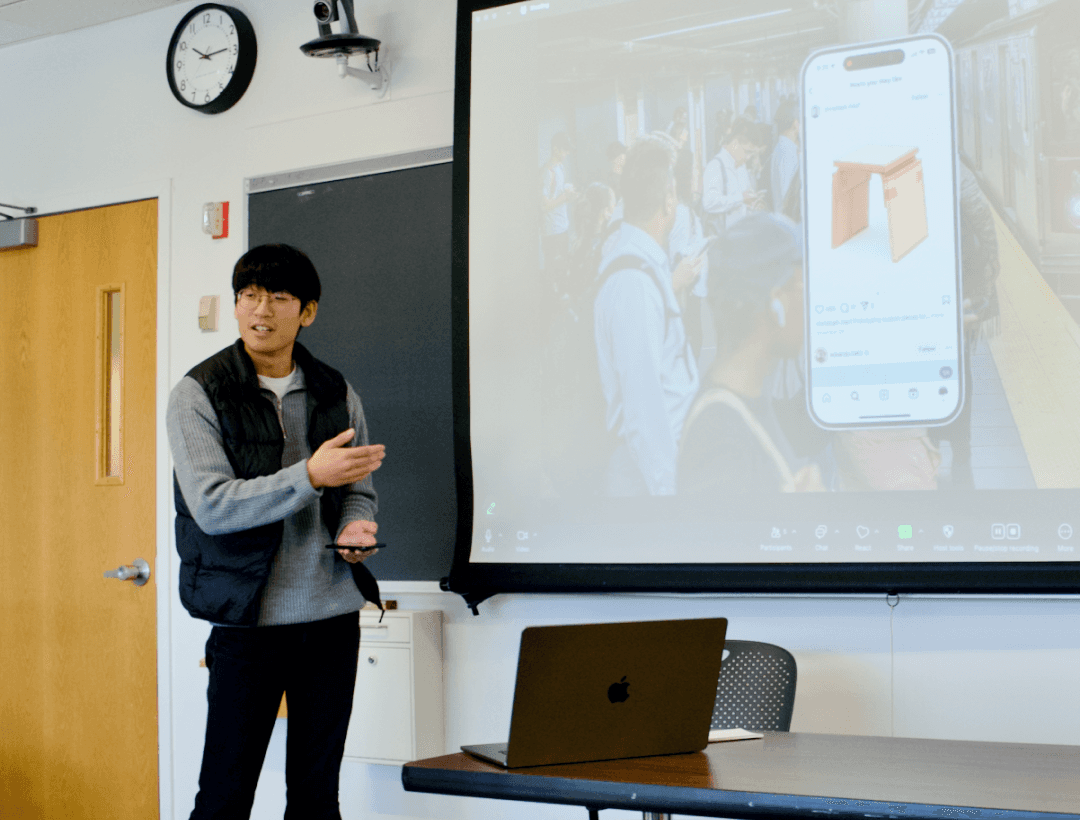
Acting the service out taught more than analyzing it. For the final presentation, we staged the service as a short skit. Acting it out exposed gaps between screens that had stayed invisible on the board, the kind that only show when a service is performed. The lesson I took from it is that trying the thing is the fastest way to find the real problem.